Interface Dispatch · Issue 01

Interfaces that change shape

The most notable interface experiments and new UI paradigms from mid-2025 to November 2026. 30 items, every one checked against its maker’s own page.

9 November 2026Three sectionsSources linked from every title

Three shifts this issue

  1. Interfaces are made on demand. The answer to a question can now be a page, tool or diagram built for that one question, and open standards let an agent’s interface appear inside someone else’s app.
  2. Input is changing faster than output. Muscle signals at the wrist, eyes, hands and voice make the new glasses and headsets usable, and the AI in them responds to what you are looking at.
  3. Calm is the new premium. While the experimental web gets more playful, everyday tools are getting quieter: fewer borders, controls that step aside, motion that guides attention instead of decorating.
01

The interface is generated

Generated interfaces have moved past one-off demos to shared standards. An agent’s interface now appears inside someone else’s chat or app, either as an embedded app frame (MCP Apps) or assembled from approved parts (A2UI, json-render). The open design question is what should be temporary and what should last. The designers to watch agree that the bottleneck is now people understanding and supervising agents, and they are replacing chat logs with plans, explainers and pinned threads.

Generative UI and dynamic view in Gemini

Google Research / Gemini ·

Generative UI and dynamic view in Gemini

Research, with a paper, showing Gemini 3 writing a complete custom interactive page, tool or simulation for each prompt, now in the Gemini app (dynamic view) and in AI Mode in Search.

Why it matters. The answer is a layout built for that one question, not text in a chat bubble. In Google's evaluation people preferred these pages to every other AI output format, though still less than pages designed by human experts, and one can take a minute or more to generate.

See it: Blog post and paper; dynamic view in the Gemini app; AI Mode for US Google AI Pro and Ultra subscribers.

Claude builds interactive visuals in the conversation

Anthropic ·

Claude builds interactive visuals in the conversation

Claude draws interactive charts, diagrams and small tools directly inside its replies; it grew out of the fall 2025 “Imagine with Claude” preview.

Why it matters. Unlike artifacts, which are finished documents in a side panel, these visuals are temporary: they change or disappear as the conversation moves on, like a sketch made while talking.

See it: On by default on all Claude plans.

MCP Apps

Model Context Protocol, with OpenAI and MCP-UI ·

MCP Apps

An open standard that lets any AI tool return a dashboard, form or visualization that the chat app runs in an isolated frame inside the conversation.

Why it matters. It merges OpenAI's Apps SDK and the community MCP-UI project, so one tool's interface runs in Claude, ChatGPT, VS Code and Goose. The app no longer owns its screen; it is a component placed in someone else's conversation.

See it: Example servers in the modelcontextprotocol/ext-apps GitHub repo.

Disco and GenTabs

Google Labs ·

Disco and GenTabs

An experimental browser that turns your open tabs and chat into one generated web app, such as a trip plan with a map and timeline.

Why it matters. The browser builds a tool for the task from the pages you are already reading, and every generated element links back to its source. You keep reshaping it by describing what you want.

See it: Waitlist (macOS at launch); video on the Google blog.

Agents can't point

tldraw ·

Agents can't point

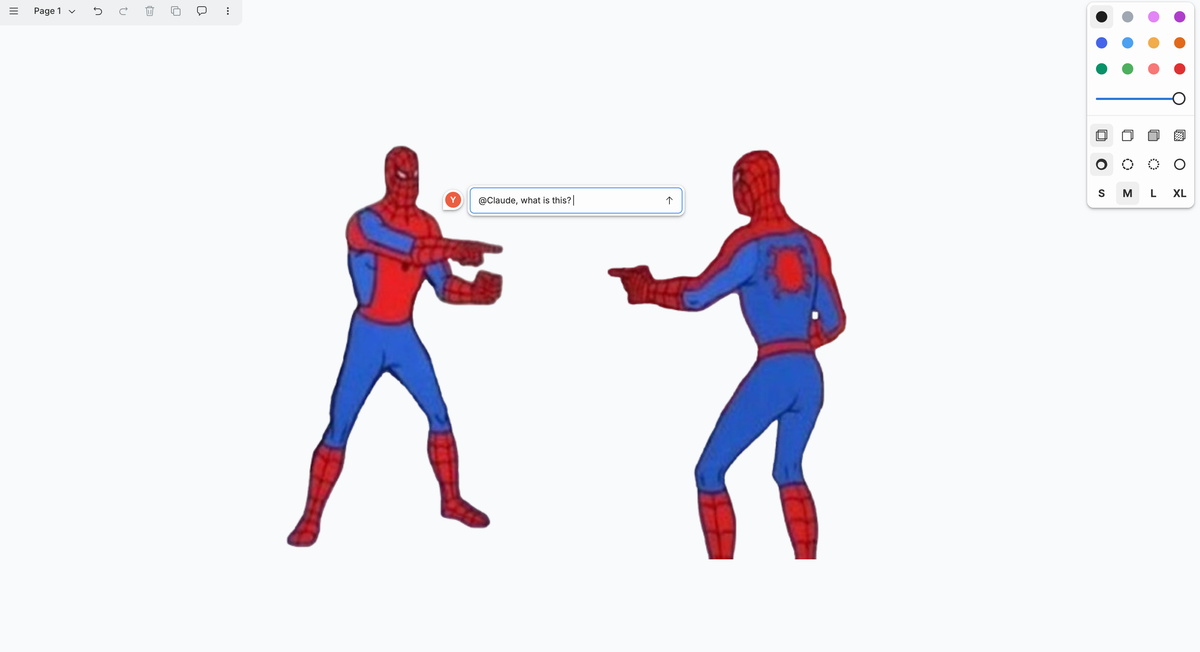
An essay and prototype where you talk to AI agents through comment threads pinned to spots on a canvas, not a separate chat box.

Why it matters. Pinning solves “which thing do you mean” without words. Each thread shows which agent replied and can be resolved, so several agents are coordinated the way you would work with colleagues on a document.

See it: Read the post; the multi-agent Fairies experiment is at fairies.tldraw.com.

Planning with Agents: thicker interfaces

Maggie Appleton ·

Planning with Agents: thicker interfaces

A talk-turned-essay proposing that agents turn plans into visual objects people can inspect: live design-system previews, state-machine views, side-by-side prototypes.

Why it matters. It treats an agent's plan as a shared object to work on, not a wall of text to approve, and shows Chopin, a real-time multiplayer planning editor with embedded interactive visuals.

See it: Read the essay (slides and screenshots).

Intent: a workspace for agent orchestration

Augment Code (product lead Amelia Wattenberger) ·

Intent: a workspace for agent orchestration

A desktop app where a coordinating agent writes the plan as a spec you review and approve before parallel agents build it, each on its own branch.

Why it matters. Approval is an editable, structured spec rather than a yes/no dialog, and the screen is organized around supervising many agents, a concrete answer to “what comes after the code editor”.

See it: macOS public beta at augmentcode.com/intent.

Geoffrey Litt ·

Understanding is the new bottleneck

A talk-turned-essay showing interfaces that help people understand what agents did: a code change turned into an explainer with draggable figures and a quiz, a time-scrubbing debugger, a migration control panel.

Why it matters. It argues the hard part is now understanding AI output, not producing it, so the agent should also build a small tool for checking its own work.

See it: Read the post; the explain-diff skill is linked.

Google ·

A2UI (Agent-to-User Interface)

An open protocol where an agent sends a structured description of an interface and the app draws it with its own trusted components.

Why it matters. The main alternative to running an agent's HTML in a sandbox: the agent never runs code on your device, so its interface matches the host app's components and style.

See it: Spec and samples at a2ui.org and github.com/google/A2UI.

json-render

Vercel Labs ·

json-render

An open-source framework where developers list the components and actions an AI may use, and the model returns a layout limited to that list.

Why it matters. It makes generated interfaces safe to ship by limiting them: the model can only arrange approved parts, so screens stay consistent with the product's design.

See it: Docs and playground at json-render.dev.

tldraw MCP App

tldraw ·

tldraw MCP App

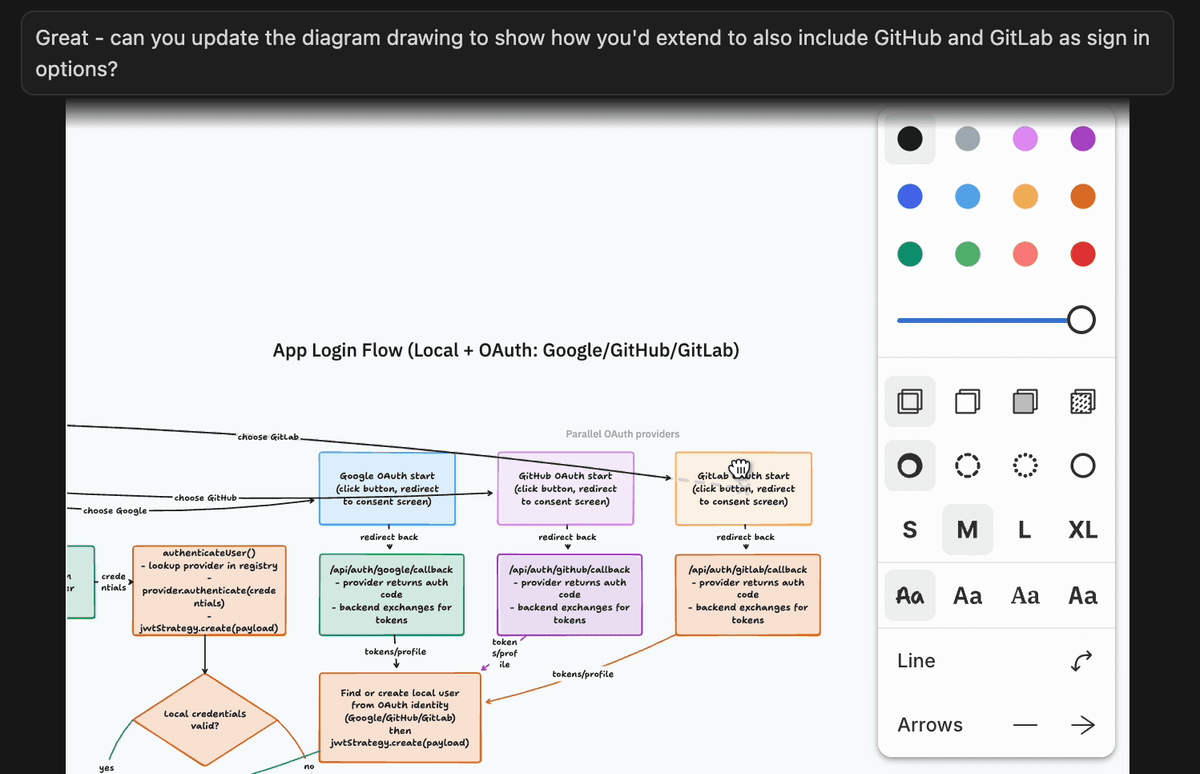
A live, editable drawing canvas inside an agent chat: the agent creates and edits shapes, and your edits go back to it.

Why it matters. The diagram is a surface you and the agent both edit, not a picture the agent outputs; an early working example of apps embedded in conversations.

See it: Install from the Cursor marketplace and ask it to draw a state machine.

02

Off the flat screen

Displays are moving from the hand to the face, and the new interfaces depend on new ways to give input: muscle signals at the wrist, eyes and hands, voice, and an assistant that sees what you see. The big operating systems are redesigning flat screens in the same direction, with layered, responsive material and motion that guides attention. Research groups are going further and taking computing out of the app altogether.

Meta Ray-Ban Display + Neural Band

Meta ·

Meta Ray-Ban Display + Neural Band

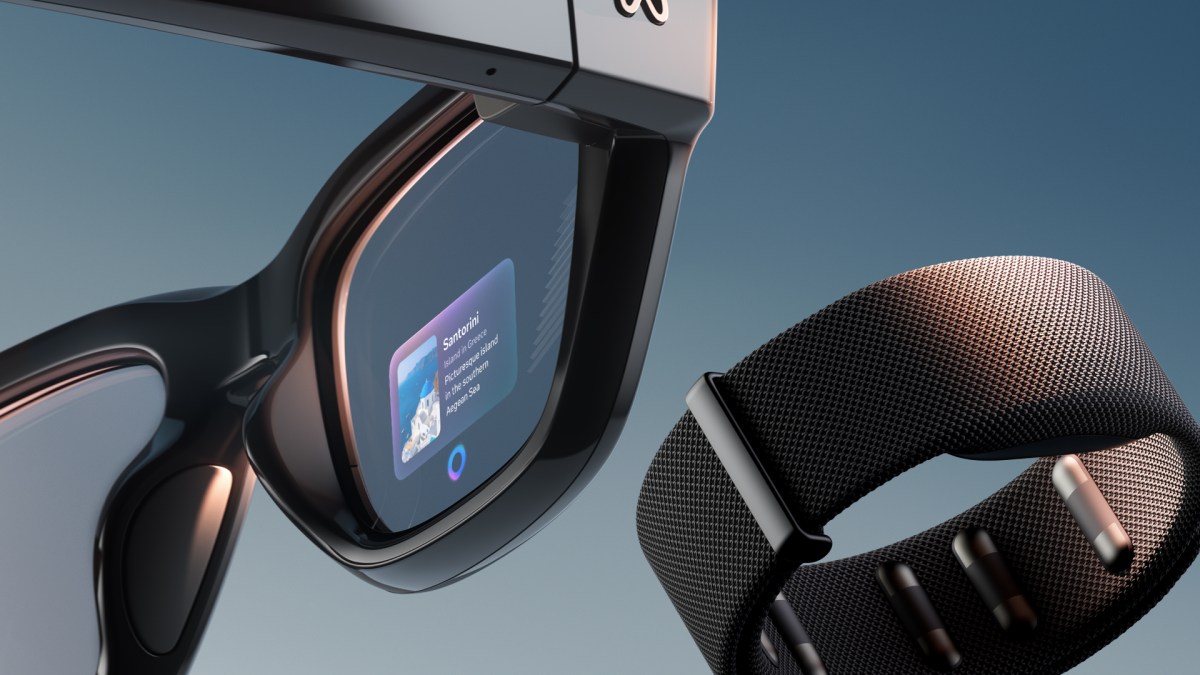
Glasses with a small display in one lens, controlled by a wristband that reads the electrical signals of your wrist muscles (EMG).

Why it matters. Small finger movements such as pinches and swipes control it, without touching the glasses, speaking or raising your hands to a camera. The first consumer product to ship muscle-signal input.

See it: On sale in the US since 30 September 2025 at $799 with the band.

Specs

Snap / Specs Inc. · Partly unconfirmed

Specs

Self-contained see-through augmented-reality glasses running Snap OS, with no battery pack or cable.

Why it matters. Graphics sit in the room around you and respond to your hands, and the built-in AI “can see what you see” and helps in place rather than in a chat box.

See it: Pre-order at specs.com ($2,195). Shipping was planned for fall 2026; not confirmed here.

Liquid Glass

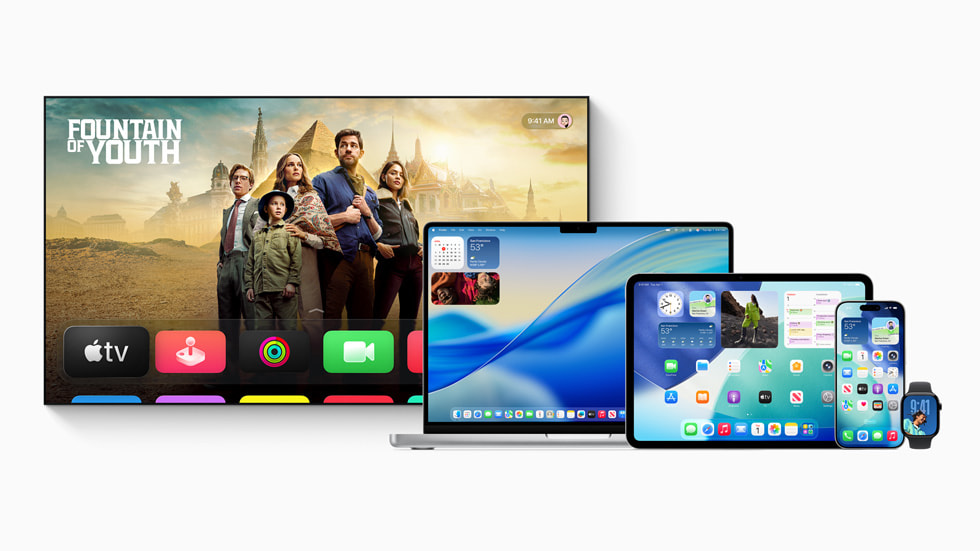
Apple ·

Liquid Glass

Apple's design language across all its platforms, built on a translucent material that bends and reflects light.

Why it matters. Controls become live layers that react to the content beneath them and step aside to give it room. Apple's first shared design language across every platform, borrowing from visionOS, and the biggest change to the most-used phone interface in a decade.

See it: iOS 26, macOS Tahoe 26 and matching releases.

Malleable software

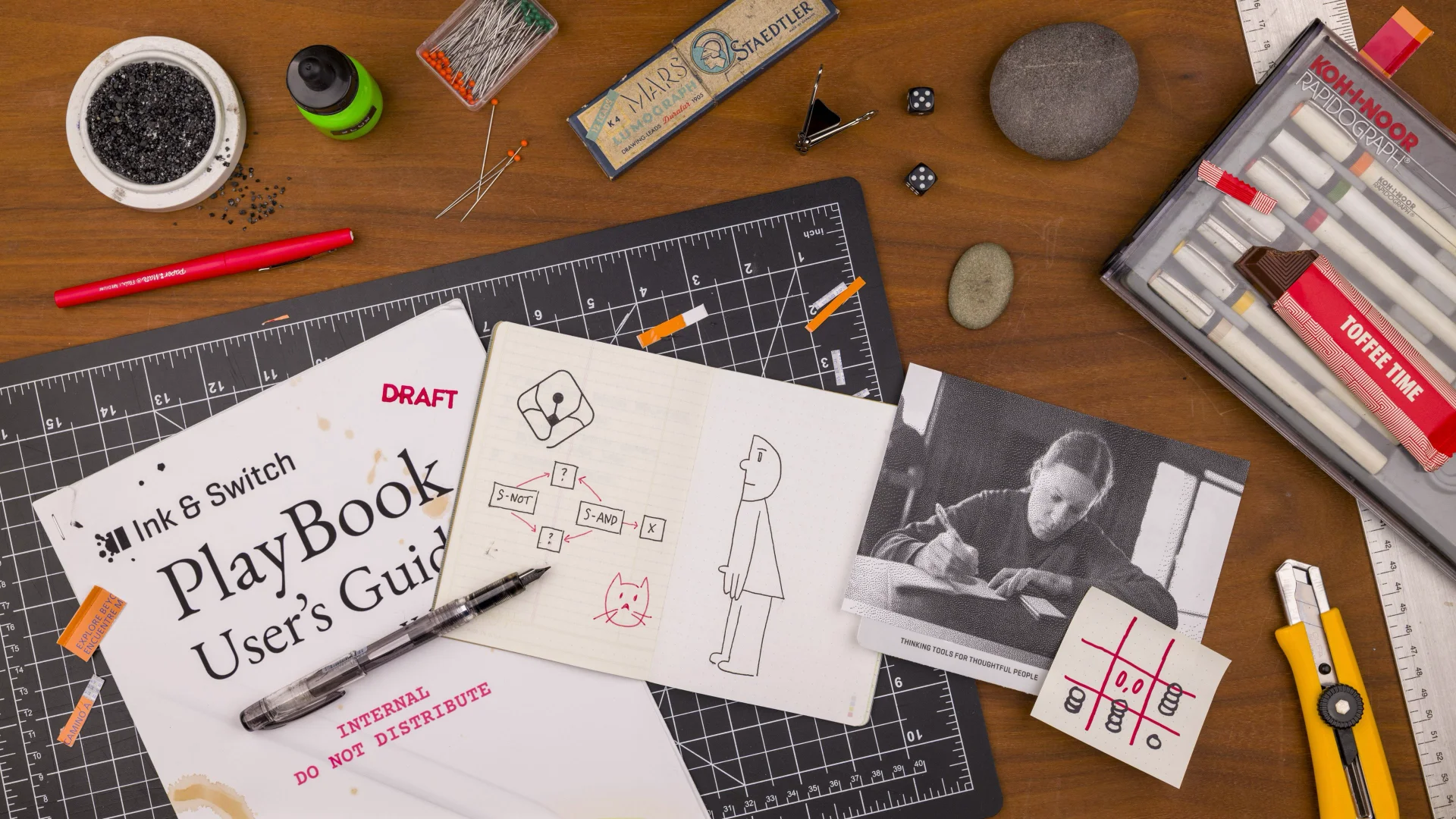
Ink & Switch ·

Malleable software

A long essay arguing people should be able to reshape their own software, with design patterns and prototypes.

Why it matters. It treats software as material you modify, like a guitar, and looks at what AI-written code does and doesn't change about that. Now a reference text for the movement.

See it: Read it free online.

Patchwork, first public release

Ink & Switch ·

Patchwork, first public release

A collaborative, version-controlled workspace for documents that keeps your work on your own device.

Why it matters. Branches, comparisons and history work for drawings and spreadsheets, not just text, and the tools are themselves documents you can change.

See it: Local-First Conf 2026 talk on YouTube; project notebook at inkandswitch.com/patchwork/notebook.

Folk Computer, July 2026

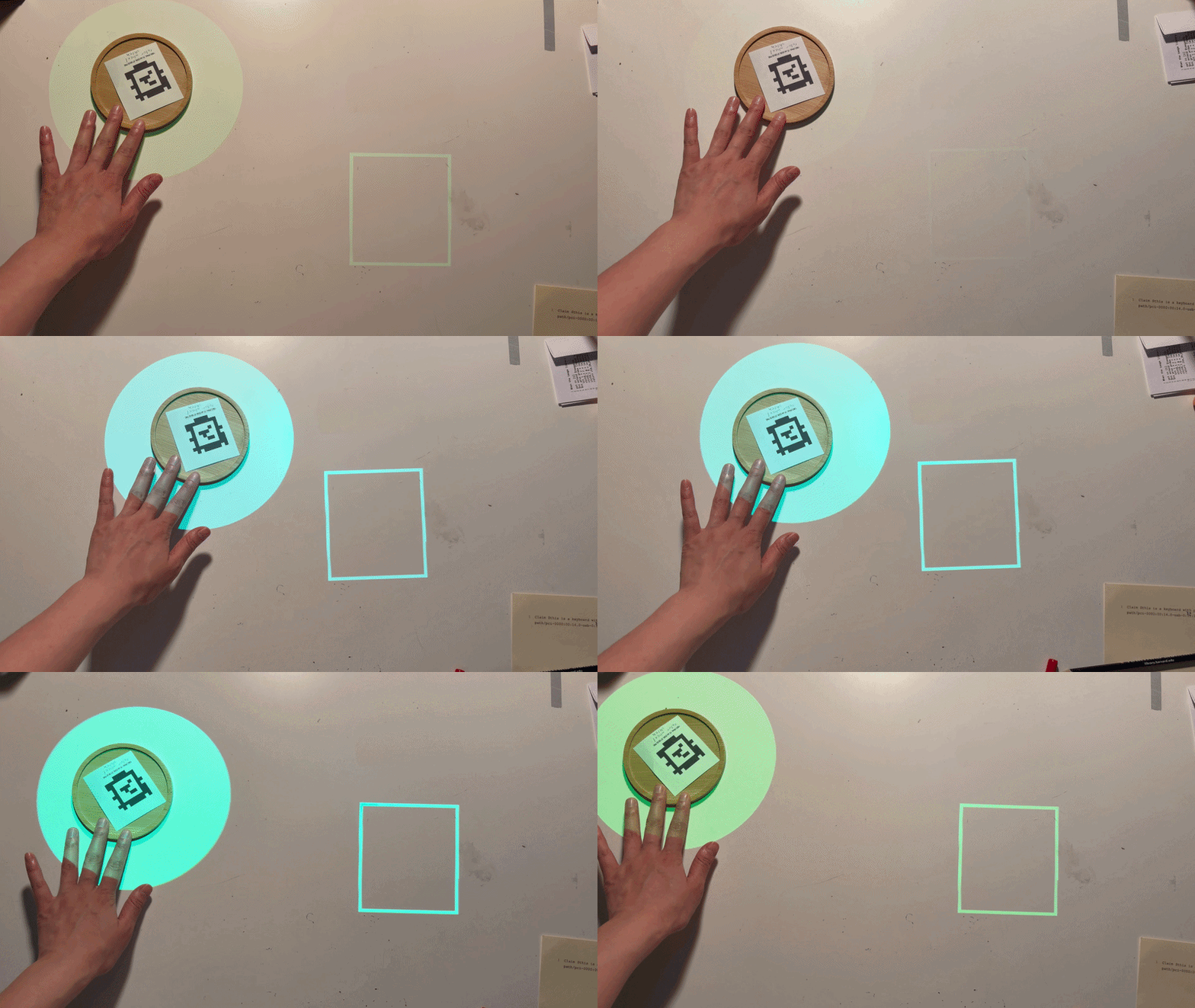
Folk Computer ·

Folk Computer, July 2026

An open-source system where programs live on paper on a table, and cameras and projectors make them respond to what's around them.

Why it matters. This month added tracking of ordinary objects like a cup or a hand and blending of overlapping projections. Anyone at the table can pick up and rearrange the programs.

See it: Monthly open houses in Brooklyn; code on GitHub.

Android XR glasses with Gemini

Google with Samsung, Warby Parker and Gentle Monster · Partly unconfirmed

Android XR glasses with Gemini

Two kinds of glasses: audio-only ones that give spoken help, and display ones that show information in the lens.

Why it matters. The assistant can act inside your phone's apps, works with Android and iPhone, and the frames come from eyewear brands rather than looking like gadgets.

See it: Audio glasses announced for “later this fall”; whether they have shipped is not confirmed here.

Galaxy XR

Samsung with Google and Qualcomm ·

Galaxy XR

The first headset running Android XR, Google's operating system for headsets and glasses.

Why it matters. Built around voice, eye and hand input with an assistant that sees what you see, and a standard way for Android apps to run in mixed reality.

See it: On sale in the US and South Korea since late October 2025.

Material 3 Expressive

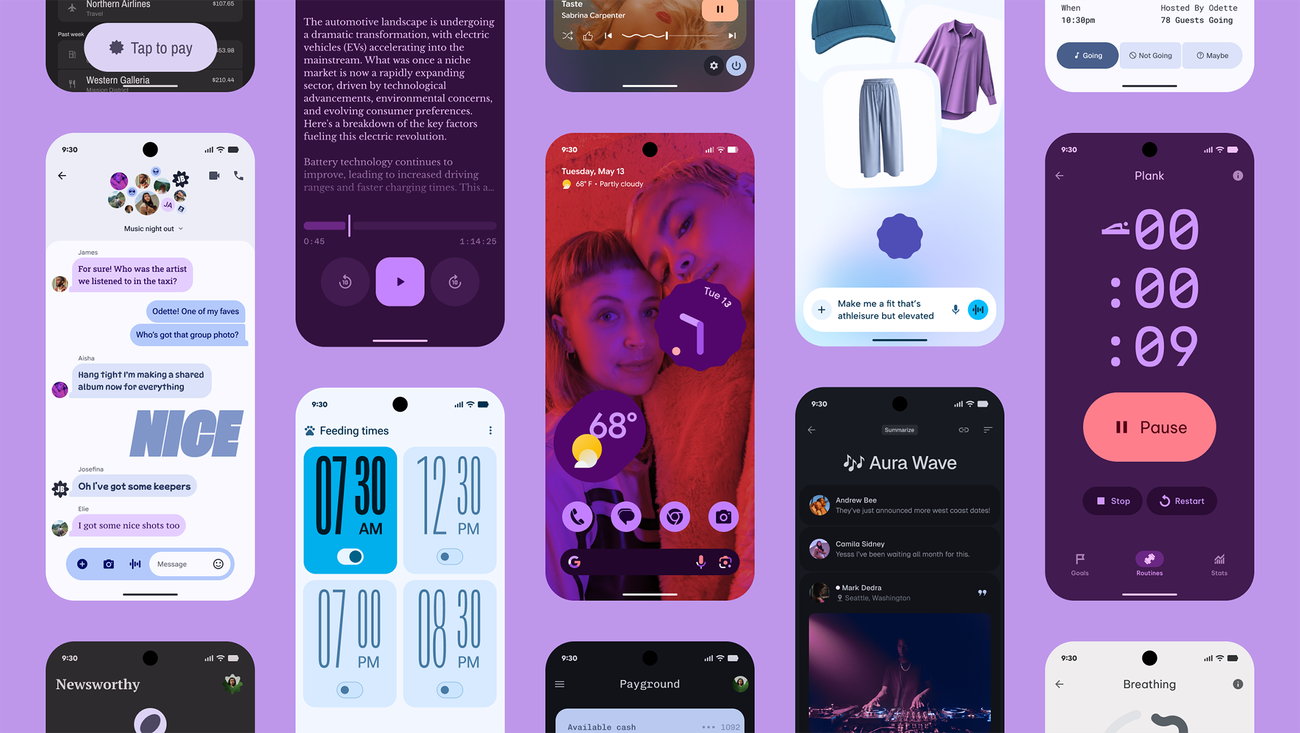
Google ·

Material 3 Expressive

A redesign of Android and Wear OS with springier motion, bolder shapes and more colour.

Why it matters. Motion and contrast guide attention instead of decorating, a deliberate turn away from flat, uniform interfaces, which Google says it based on user research.

See it: Android 16 on Pixel and Wear OS 6; guidelines at m3.material.io.

Dynamicland and Realtalk

Dynamicland (Bret Victor, Luke Iannini and others) ·

Dynamicland and Realtalk

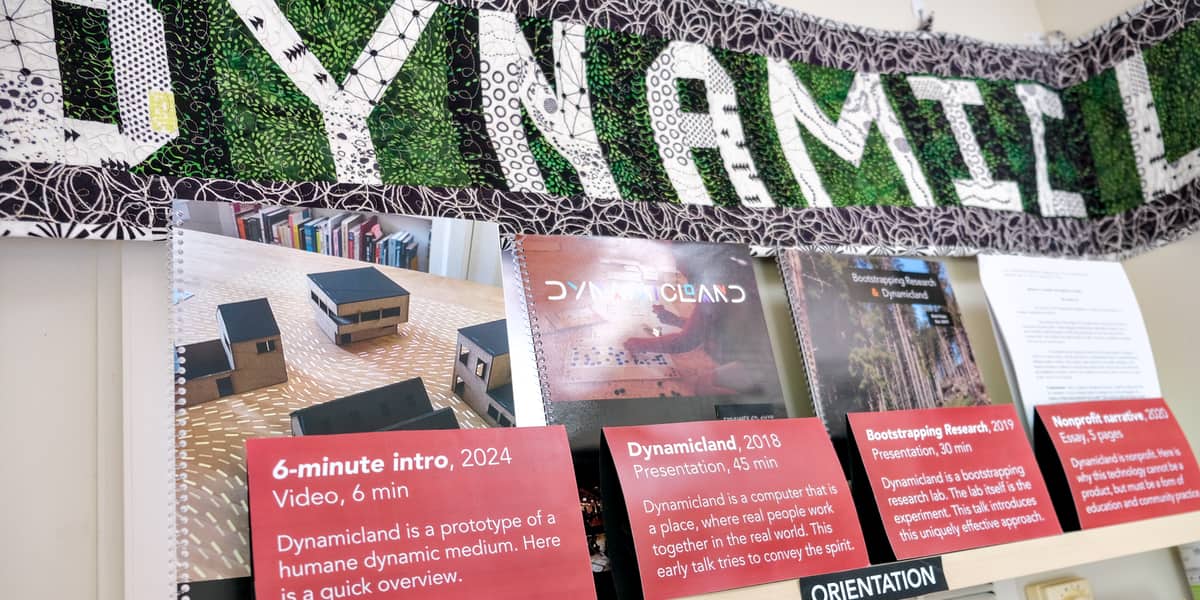
The research lab behind Realtalk, a room-scale system where programs are physical objects, and its archive.

Why it matters. Older but foundational: Folk Computer builds directly on it, and it remains the main reference for computing in a shared physical room.

See it: Browse the archive on dynamicland.org.

03

The craft frontier

The experimental web is shifting from showpiece 3D to small worlds you can play, now that WebGPU works in every major browser. Motion that needed JavaScript is becoming plain CSS, and the browser makers are aligning on it. Product interfaces are heading the other way, toward calm: dimmer chrome, fewer borders and lighter controls.

Messenger

abeto ·

Messenger

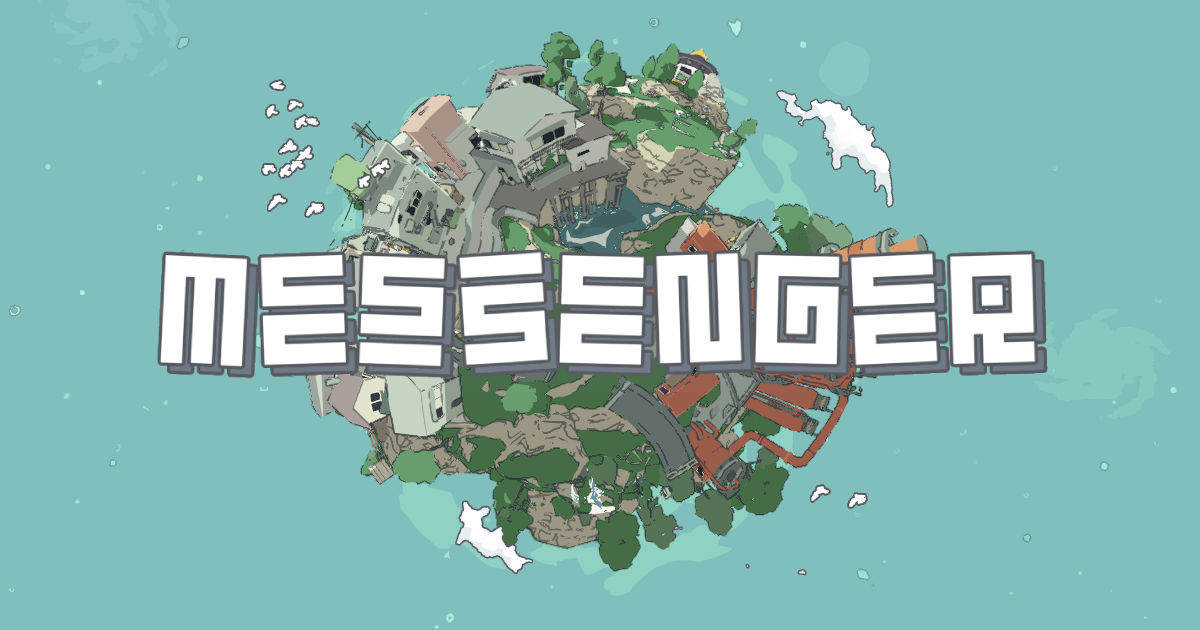
A browser game where you deliver mail around a tiny walkable planet; Awwwards Developer Site of the Year 2025.

Why it matters. The whole site is a small 3D world with characters and conversations that runs in a phone browser with no app.

See it: Play it at messenger.abeto.co.

Lando Norris official site

OFF+BRAND. ·

Lando Norris official site

The F1 driver's site, named Awwwards Site of the Year 2025.

Why it matters. 3D, animation and gesture interaction built on Webflow, a no-code site builder, now carrying award-level motion work. Its highest jury score was for animations and transitions.

See it: Visit landonorris.com.

WebGPU in every major browser

Chrome team, with Mozilla and Apple ·

WebGPU in every major browser

WebGPU, the web's modern graphics and compute interface, now ships in Chrome, Edge, Firefox and Safari 26.

Why it matters. Sites can plan around GPU effects such as fluids, particles and real-time lighting instead of treating them as a Chrome-only experiment.

See it: Open any WebGPU demo in Safari 26 or Firefox.

CSS scroll-triggered animations

Chrome for Developers · Partly unconfirmed

CSS scroll-triggered animations

New CSS that starts an animation when an element scrolls into place, at its own speed.

Why it matters. Earlier scroll animations follow the scrollbar and reverse as you scroll back. Triggers play a reveal once, which used to need JavaScript.

See it: Live demos in the Chrome post. The shipping version (reported as Chrome 146) is not confirmed here.

Interop 2026

Apple, Google, Igalia, Microsoft, Mozilla ·

Interop 2026

This year's joint browser-compatibility programme, covering scroll-driven animations, View Transitions and anchor positioning.

Why it matters. Page transitions, scroll-linked motion and attached tooltips become plain CSS, and all major browsers commit to making them behave the same.

See it: Progress on the dashboard at wpt.fyi/interop-2026.

A calmer interface for a product in motion

Linear ·

A calmer interface for a product in motion

Linear's write-up of its 2026 refresh: a dimmed sidebar, fewer icons and borders, warmer colours, actions that stay in the same place.

Why it matters. It keeps a dense tool calm by fading navigation and keeping the task in front; the team tuned colours with an in-app tool built with Claude Code.

See it: Read the post, or use Linear.

Depth: 3D inside Figma

Aleksei Kipin ·

Depth: 3D inside Figma

A Figma plugin that renders a 3D model with your camera and lighting and places it back on the canvas as an image.

Why it matters. Designers can try 3D product shots without leaving Figma, using camera and timeline controls borrowed from 3D tools.

See it: depth.fyi, or the Figma Community plugin.

Inside Resn's digital experiences

Codrops ·

Inside Resn's digital experiences

A profile of Resn, one of the studios that set the standard for playful, explorable websites.

Why it matters. A recent first-hand account of how they combine brand, content and technology, with images of their own interactive site.

See it: Read the article.

The first Three.js Conference

Codrops x Three.js community ·

The first Three.js Conference

A report from the first conference for Three.js, the library behind most 3D websites.

Why it matters. It shows the community, much of it now building with WebGPU, meeting in person for the first time.

See it: Read the report.